Food politics in every bite
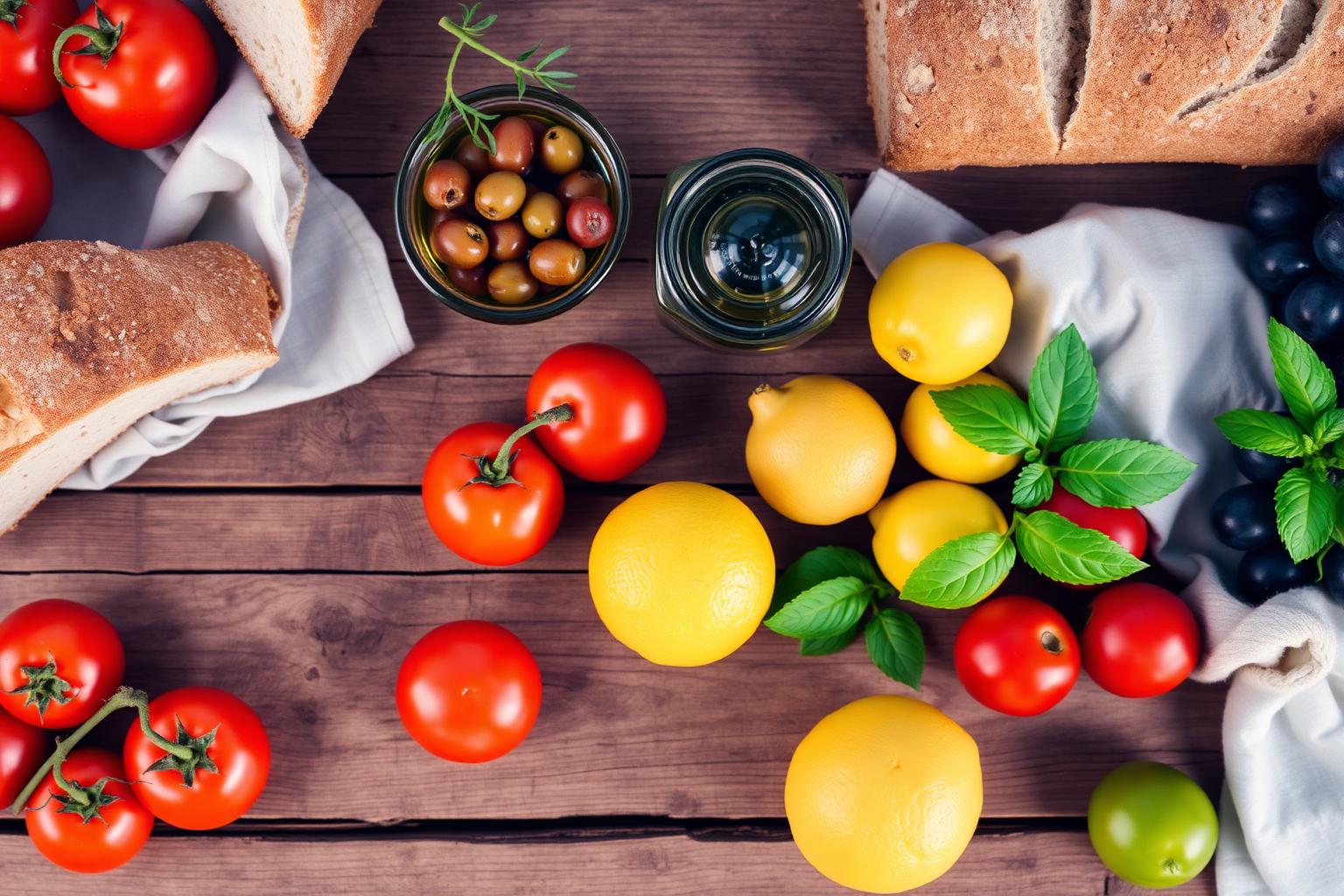
When I go to the supermarket nowadays, it's common to find apples from Argentina, avocados from Kenya, salmon from Norway, grapes from South Africa. Food travels thousands of kilometers, passes through dozens of intermediaries, and arrives on my plate weeks old, treated with preservatives and wrapped in plastic.
And yet, here, in the Mediterranean, in Spain, we've always had an abundance of seasonal, quality, local food.
I also enjoy globalization
I also enjoy a coconut from Thailand on the beaches of Mallorca. My daughter loves passion fruit from Colombia; I guess it's in her genes… those mangoes from Brazil, the matcha in the morning. Long live globalization in every bite!
But without forgetting the origin of each thing. Without ceasing to look beyond. Without losing sight of how much the Mediterranean has to offer.
This is no coincidence
It's the result of political decisions and trade agreements that prioritize global business over the health of people, local farmers, and the environment.
The problem with food that travels too far
When a food travels thousands of kilometers, it loses nutritional value over time. It needs more preservatives, more treatments, more plastic packaging. The carbon footprint is huge: transport by plane, by ship, by truck, pollutes far more than consuming what is produced in your region.
But there's something more serious: this destroys local agriculture. When the supermarket can sell Argentine tomatoes cheaper than tomatoes from your community, who buys the local ones? Spanish and European farmers can't compete with subsidized prices from other continents. And so fields disappear, traditional knowledge is lost, the land is abandoned.
Mercosur and the agreements that don't suit us
One of the most debated pacts is the agreement between the European Union and Mercosur (Brasil, Argentina, Uruguay, Paraguay). This treaty would facilitate massive imports of meat, soy, sugar, and other products from South America.
The problem is twofold. First, much of that meat comes from areas where the Amazon is deforested to create pastures or soy crops. Second, those products arrive cheaper than ours because they don't meet the same environmental, labor, or animal welfare standards as European producers.
I don't agree with an agreement that penalizes the farmer who does follow the rules, who does care for the soil, who does respect animal welfare, who does pay fair taxes and wages. It makes no sense to import cheap meat from deforestation zones when we have ranchers in Spain we could support.
Why local matters
Eating local means fresher food, more nutrients, and less time between harvest and your plate. Less plastic, less packaging, less polluting transport. Supporting the farmers and ranchers in your region, who keep the countryside and traditional knowledge alive. Seasonal food, what the body needs at each time of year. And less dependence on fragile global supply chains, as we've seen in recent crises.
In the Mediterranean we're lucky to have one of the healthiest diets in the world: olive oil, vegetables, fruits, legumes, fish, sourdough bread. We don't need to import everything we eat. In fact, we should eat more of what is produced here.
What I can do
It doesn't depend only on politicians. Every purchase is a vote. I can buy at local markets, not only at supermarkets. Choose products with protected origin labels, from my region. Ask in stores where what I buy comes from. Eat seasonally, like our grandmothers did. Support local farmers, food co-ops, cooperatives.
Food is more than a personal act
Food isn't just a personal act. It's political, natural, a matter of public health. Every time I choose local, I'm saying what kind of world I want. And every time I enjoy a Thai coconut in Mallorca, I also know where it comes from, and what that bite means.
— Tara
Keep reading
Frequencies, fibers and oil: the real energy of what you wear
Less is more: my wardrobe, textile science, and why natural fibers change how you feel.

The chair: how we sit so much that even the toilet became a throne (and now we're addicted to it)
A trip to Vietnam, squatting, and why the body is grateful to return to the floor.