Frequencies, fibers and oil: the real energy of what you wear
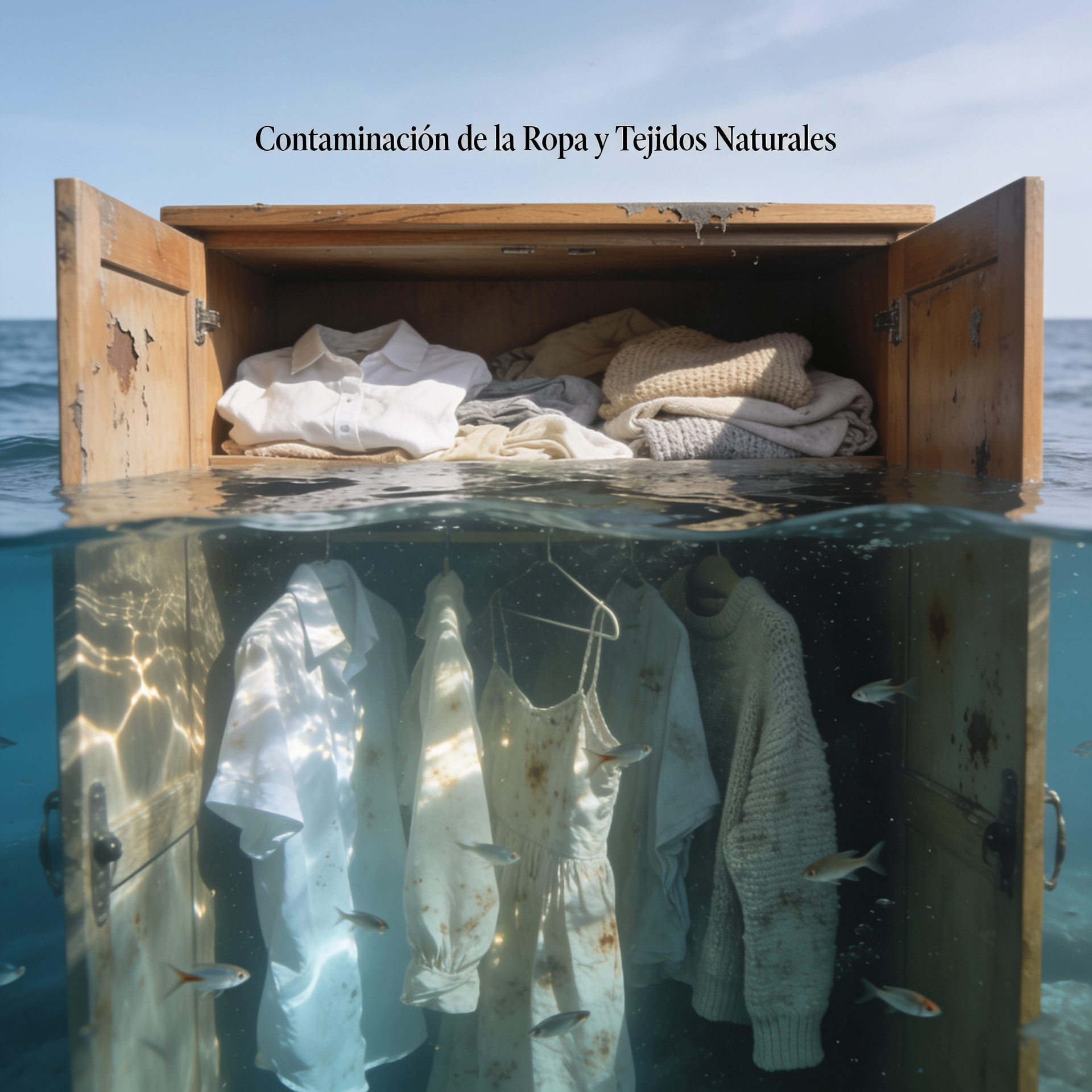
Less is more: my wardrobe and the energy of clothing
After long months of observing, trying and feeling, my wardrobe today is composed of more than 90% natural fabrics. Little by little I've been listening to the body and replacing garments with clothes that feel better on the skin, that breathe with movement and accompany the day without creating so much internal friction. It wasn't a change from one day to the next, but a process of fine-tuning what I want touching my body every day.
At first it seemed hard: many labels, materials and technical data. But over time the way of shopping became simpler: what do I need, what do I love, what will I actually use, and what fits within my standards of natural fabrics. Suddenly choosing is easier and more precise: less is more, higher quality and more coherence with what I want to feel.
Sportswear and beachwear have been the most challenging part of the wardrobe; most of these garments rely on synthetic fibers for stretch and quick drying. Even so, more and more brands are committing to natural fabrics, even organic, in these segments too. And I still have a road ahead with the world of dyes, which I'll write about another time.
What textile science actually measures
In the holistic world there is a lot of talk about the «vibrational frequency» of fabrics. In textile science, what is actually measured are concrete, objective, repeatable parameters:
Thread density: how many warp and weft threads there are per centimeter or inch of fabric.
Weight: how many grams a square meter of fabric weighs, key data to know if it is light or heavy.
Fiber type: whether it is cotton, linen, wool, hemp, silk or synthetic fibers such as polyester and nylon.
Weave structure: how it is woven (plain, twill, satin…), what finish it has and how it behaves on the skin.
These are objective, comparable data that let us talk about quality, durability and comfort without needing to rely on unclear «vibrational frequency» numbers.
Frequency, energy and what we can actually observe
Many wellness articles assign «frequency» figures to linen, wool or cotton, based on frameworks from radiesthesia or bioenergy rather than textile standards. Those figures shift from Hz to MHz to «vibrational units» with no explained method, and they are not part of any universal scientific standard.
What we can observe is the clear difference in how natural and synthetic fabrics feel on the skin, in breathability, in thermal comfort and in the relationship with the environment. The body perceives that «real energy» in the quality of the contact, in how you rest, how you sweat, and how you move through the day.
Natural vs. synthetic clothing, in short
Natural fibers like cotton, linen, wool or hemp come from plants and animals; they go through cultivation, harvesting, cleaning, spinning and weaving before reaching the skin. They generally offer better breathability, greater thermal comfort and a more organic sensation on the body.
Synthetic fibers like polyester, nylon or acrylic come from petroleum derivatives and chemical processes that create polymers; they are melted, extruded into filaments and woven. They are practical, resistant and quick-drying, but tend to be less breathable and more prone to retaining odor and static electricity.
It's not about demonizing one or the other, but about knowing what you're wearing and deciding what role you want each type of fiber to play in your life. Some fibers that tend to better support the feeling of well-being on the skin are: cotton, linen, wool, hemp, silk, bamboo and tencel/lyocell, among others.
The hidden cost of what we wear
Most synthetic garments reach us after a heavily polluting industrial process. Fashion and the textile industry consume enormous amounts of water and energy, and it is estimated that around 20% of global freshwater pollution comes from dyeing and finishing fabrics. In many regions, factories discharge dyes and chemicals into rivers, affecting ecosystems and local communities.
Choosing fewer garments and more natural fibers also means demanding cleaner, more responsible production.
And bed linen: where you spend the most hours
If you don't know where to start, I would start with bed linen. It's the fabric that wraps you for the longest continuous time, night after night. Switching to sheets and covers in natural fibers like cotton or linen already makes a difference: better breathability, less of that «plastic wrap» feeling, and a more comfortable, restorative rest.
Renewing the wardrobe from awareness
In my experience, the change becomes simpler when you reduce the rules and expand your listening:
Fewer garments and higher quality.
More natural fibers whenever possible (cotton, linen, wool, hemp, silk, bamboo, tencel/lyocell).
An honest look at what you truly use and what only takes up space.
Clear questions when buying: do I need it? do I love it? will I use it? does it respect my natural-fabric standards?
Textile science gives you an objective map (density, weight, fiber, structure) and the body gives you the most important information: how each fabric makes you feel. You don't need miraculous frequency numbers to use clothing as an ally for your well-being; you need clarity, presence and materials that accompany the life you want to live.
If this topic has sparked your curiosity and you want to explore more about how to renew your wardrobe — or your bed — from body and energy awareness, you can keep reading other articles on this site or reach out through the contact section.
— Tara